






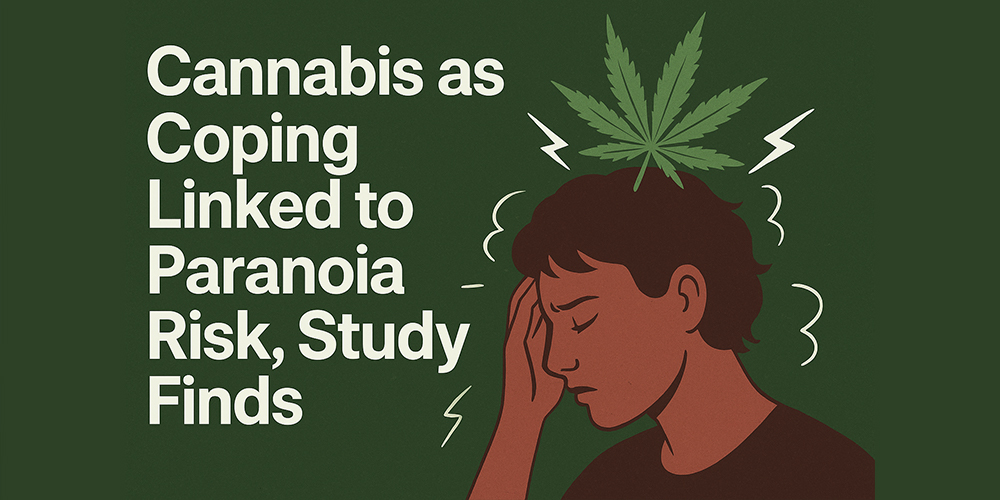
A new study released today reveals troubling mental health risks associated with cannabis use. Researchers from King’s College London found that individuals who use cannabis to manage stress or emotional pain may actually increase their risk of experiencing paranoia—especially those with a history of childhood emotional abuse.
The findings, published August 28, 2025, add urgency to ongoing debates in the United States and Canada about safe cannabis consumption, harm reduction, and the growing popularity of self-medicating with high-THC products.
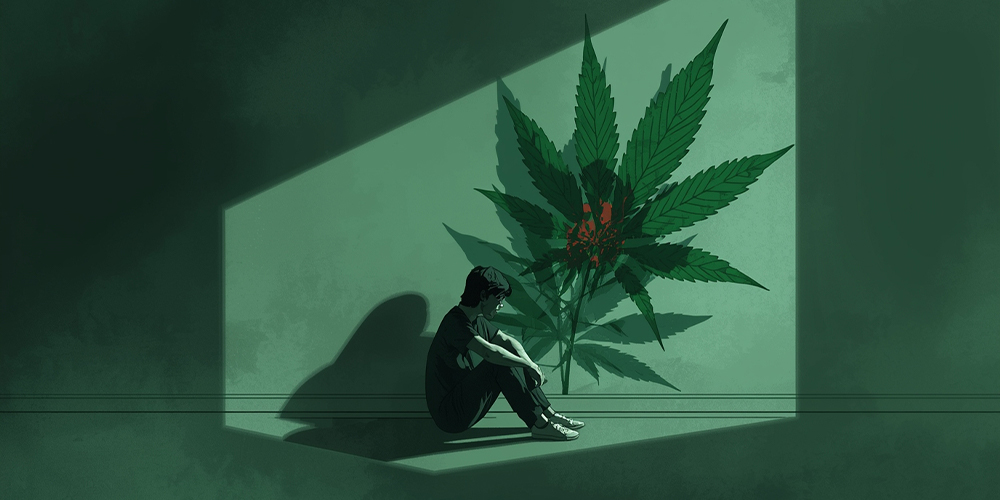
The study, highlighted in ScienceDaily, examined how individuals use cannabis as a coping mechanism. Instead of providing relief, cannabis was shown to exacerbate paranoia in a significant subset of users.
Key insights include:
Dr. Claire Mokry, a clinical psychologist at King’s College and lead author of the study, explained:
“Cannabis is increasingly marketed as a stress-relief tool, but our findings suggest it can actually amplify distress for individuals with certain vulnerabilities. This raises important questions about how cannabis is being used in self-care contexts.”
In both the U.S. and Canada, cannabis is not only widely available but also heavily promoted as a wellness product. From CBD tinctures marketed as sleep aids to THC gummies sold for anxiety relief, the industry has leaned into self-care branding.
Yet, today’s study underscores a critical tension: using cannabis as medicine without medical guidance carries hidden risks.
The research adds fuel to ongoing policy debates:
This isn’t the first time cannabis has been linked to paranoia or psychosis. Previous studies have shown that high-THC products may trigger short-term psychotic episodes in some users. What makes this new research stand out is its direct link between childhood trauma, coping use, and paranoia outcomes—a nuanced perspective missing from prior studies.
As cannabis becomes normalized across North America, the challenge is balancing access with public health. Experts suggest several next steps:
Dr. Mokry emphasizes that cannabis can still play a role in medical care, but not without caution:
“The goal isn’t prohibition. It’s ensuring that individuals understand when cannabis may help—and when it may harm.”
Key Takeaways:
• New research links cannabis coping use with increased paranoia, particularly among people with childhood emotional abuse histories.
• Findings raise questions about the safety of cannabis as a self-care tool in U.S. and Canadian markets.
• Experts urge stronger public health messaging, clearer labeling, and physician-guided use.
• The study highlights the need for trauma-informed cannabis research and policy development.







 Bulk Marijuana Seeds offers high-germination rates of marijuana seeds while keeping you assured that you will be getting the exact Marijuana Strain that you ordered! That is 100% Guaranteed!
 Bulk Marijuana Seeds offers high-germination rates of marijuana seeds while keeping you assured that you will be getting the exact Marijuana Strain that you ordered! That is 100% Guaranteed!