

Fast, local shipping on both sides of the border —
US orders ship from the US
 ,
Canadian orders ship from Canada
.
,
Canadian orders ship from Canada
.
 ,
Canadian orders ship from Canada
,
Canadian orders ship from Canada
 .
.


 ,
Canadian orders ship from Canada
.
,
Canadian orders ship from Canada
.

THC-infused beverages in the United States shattered the $1 billion sales mark in 2024, fueled by shifting consumer habits, new regulatory pathways, and innovative formulations—marking the early stages of what analysts say could become a multibillion-dollar market.
According to a report released September 4, 2025, U.S. sales of THC beverages reached an estimated $1.1 billion in 2024. The study highlights a market still in its infancy, with between 500 and 750 active brands, about 200 of which sell through marijuana dispensaries. On average, brands bring in around $2 million annually, while top-performing labels surpass $10 million.
This burgeoning industry holds enormous promise. Analysts conservatively value the U.S. THC beverage opportunity at between $9.9 billion and $14.9 billion.
Additionally, the lack of a cohesive federal regulatory framework is a double-edged sword. While it enables rapid market expansion—especially through hemp-derived THC beverages—state-by-state inconsistency presents challenges for consumer safety and policy harmonization.
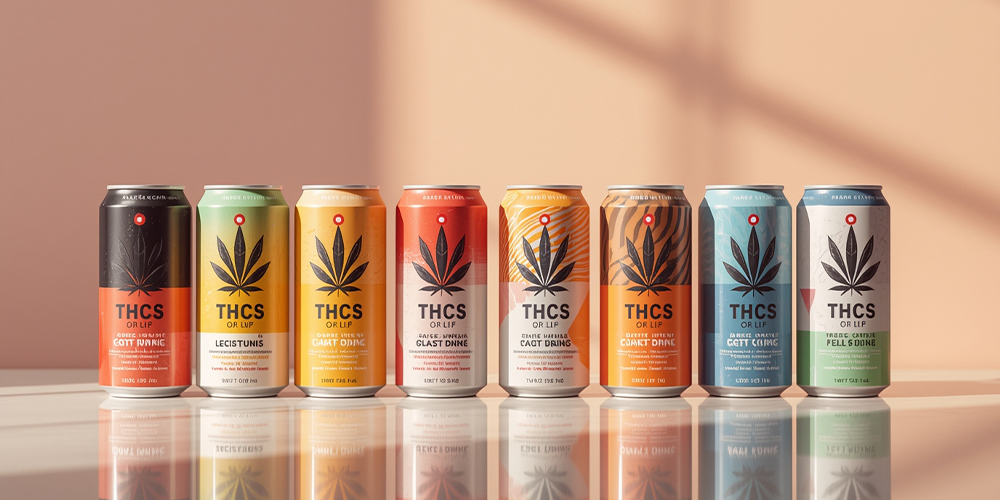
Traditional alcohol sales are slowing—beer, wine, and spirits volumes are declining—even as THC beverages gain traction, particularly in convenience stores and supermarkets thanks to the federal legality of hemp-derived THC.
Industry giants like Constellation Brands, Pernod Ricard, Boston Beer, and Tilray are evaluating or beginning tentative steps into this segment. Some are experimenting with hemp-based THC drinks alongside mainstream alcohol pipelines.
While some states fully embrace THC beverages, others have introduced bans or severe restrictions—raising alarms over public health, youth exposure, and market integrity. Minnesota allows on-tap THC drinks in breweries; California bans alcohol and hemp products from being sold together.
Brands are positioning THC drinks as wellness-oriented alternatives to alcohol—low-dose, controlled, and appealing to those seeking mellow social options without alcohol’s side effects. Still, heavy cannabis users may find current dosages (2–10 mg) underwhelming, and alcohol drinkers may not yet see THC as a peer substitute.
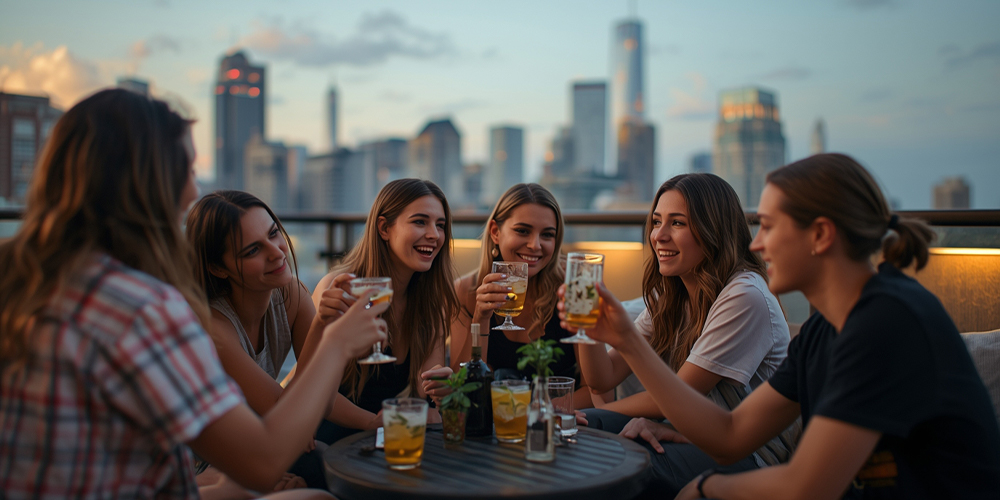
North America dominates the global market, with the U.S. at the epicenter. While still a niche—comprising only about 1 % of total U.S. cannabis sales—this category is becoming one of the fastest-growing due to hemp-derived distribution levers and shifting consumer demand.
Industry consolidation is underway: in Q1 2025, only 117 brands remain in beverage sales, down from 148 a year earlier, with the top 10 brands capturing 64 % of the segment’s dollar share.


 Bulk Marijuana Seeds offers high-germination rates of marijuana seeds while keeping you assured that you will be getting the exact Marijuana Strain that you ordered! That is 100% Guaranteed!
 Bulk Marijuana Seeds offers high-germination rates of marijuana seeds while keeping you assured that you will be getting the exact Marijuana Strain that you ordered! That is 100% Guaranteed!