







The Biden administration’s move to reclassify cannabis from a Schedule I to a Schedule III substance under the Controlled Substances Act is poised to reshape the U.S. cannabis industry. This regulatory shift, currently under final review, would mark the most significant federal change to marijuana policy in over five decades—and potentially ignite a new era for both medical and adult-use markets.
For decades, marijuana’s Schedule I status has placed it in the same legal category as heroin and LSD, officially deemed to have “no accepted medical use” and a high potential for abuse. This classification has not only hindered research but also created crushing financial barriers for legitimate cannabis businesses.
By moving cannabis to Schedule III, the federal government would formally acknowledge its medical value and lower its perceived risk. While rescheduling does not equal full legalization, the policy would allow for controlled medical use and open doors for new avenues of research, regulatory oversight, and investment.
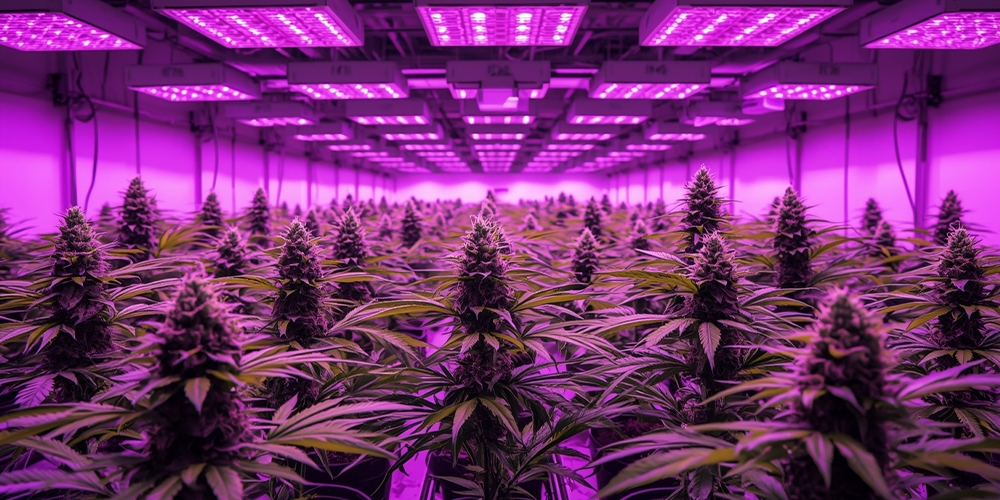
One of the most immediate impacts of rescheduling is the potential elimination of IRS tax code Section 280E, which currently prevents cannabis companies from deducting normal business expenses. Under the current system, cannabis operators face effective tax rates as high as 70%–90%, leaving many firms struggling to survive despite strong consumer demand.
With cannabis moved to Schedule III, businesses could deduct salaries, rent, and operating costs like any other legal industry. Analysts estimate this could inject billions of dollars back into the sector, providing a lifeline to multistate operators (MSOs) and small dispensaries alike.
Rescheduling could also change the financial landscape. While it does not automatically unlock full banking rights, it would reduce risk perceptions among lenders and institutional investors. Cannabis companies—long barred from accessing capital markets—may finally begin to attract mainstream financial backing.
This could trigger consolidation within the industry, with stronger players acquiring distressed assets. Publicly traded cannabis firms have already seen stock upticks in anticipation of rescheduling, reflecting Wall Street’s belief in the potential market expansion.
Rescheduling would also pave the way for robust scientific study. With cannabis in Schedule I, researchers have faced immense regulatory hurdles, including special DEA licensing and sourcing restrictions. Schedule III status would make clinical trials more accessible, potentially accelerating FDA-approved cannabis-based medications.
Pharmaceutical companies may begin exploring cannabinoid therapies more aggressively, ushering in a new era of federally approved treatments for pain management, epilepsy, and other conditions.
Rescheduling won’t directly alter state-level legalization frameworks, but it will legitimize state-regulated markets in the eyes of the federal government. Regulators may begin to develop national standards around product testing, labeling, and quality control, which could harmonize the patchwork of existing rules.
For consumers, rescheduling may lead to broader insurance coverage for medical cannabis prescriptions, reducing out-of-pocket costs and boosting patient access.
The political implications are vast. Public support for cannabis legalization in the U.S. sits at nearly 70%, and rescheduling aligns the federal government closer to voter sentiment without fully embracing nationwide legalization.
Republican leaders have historically opposed cannabis reform, but rescheduling could soften partisan divides by framing the move as a science-based correction rather than a social policy shift. Still, critics warn that rescheduling falls short of true legalization, leaving behind issues such as social equity, expungement of past convictions, and comprehensive regulation.
If finalized, cannabis rescheduling would not resolve every challenge facing the industry, but it represents a seismic step toward normalization. Key questions remain:
As the review process continues, cannabis operators, investors, and policymakers are preparing for a potentially transformative year. While rescheduling does not end prohibition, it signals that America’s decades-long “War on Marijuana” is drawing to a close.








 Bulk Marijuana Seeds offers high-germination rates of marijuana seeds while keeping you assured that you will be getting the exact Marijuana Strain that you ordered! That is 100% Guaranteed!
 Bulk Marijuana Seeds offers high-germination rates of marijuana seeds while keeping you assured that you will be getting the exact Marijuana Strain that you ordered! That is 100% Guaranteed!